💡 Three Pillars of MMong’s Color Mastery
Here’s how to move beyond basic color application and infuse your work with the depth and magic Illustrator MMong is known for:
1. Ideation: The Foundation of Unique Color Palettes
It’s not just about picking pretty colors; it’s about why you pick them. MMong emphasizes developing a strong conceptual foundation for your color choices.
- Core Principle: Begin with a clear emotional goal for your illustration. Are you aiming for whimsical, mysterious, or energetic?
- Practical Application: Start by sketching out multiple thumbnail ideas that focus on composition and mood, not just detail. Use mind maps to explore abstract concepts and how they translate visually. This initial brainstorming phase is crucial for unearthing unique color combinations that resonate with your intended theme. MMong’s process involves asking specific questions to refine abstract ideas into concrete visual elements.
2. Compositional Flow: Guiding the Eye with Color
Color isn’t just about filling spaces; it’s about directing the viewer’s attention. MMong uses color strategically to enhance compositional flow and highlight key elements.
- Technique: Understand how the “flow of lines” impacts mood. Curves often suggest natural, organic elements, while straight lines can imply artificial structures. Use color to emphasize these lines and guide the viewer’s gaze through your illustration.
- Workflow Tip: Experiment with visual metamorphosis – transforming one object into another. This technique, combined with thoughtful color application, can add a layer of intrigue and storytelling to your work. MMong demonstrates how to apply this by considering the viewer’s perspective and what elements to emphasize.
3. The Finishing Touch: Texture Brushes for Depth
Elevate your digital illustrations from flat to fantastic by mastering texture brushes. These tools are key to adding a painterly, hand-crafted feel.
- Expert Insight: Texture brushes aren’t just for backgrounds; they can enrich characters, clothing, and environmental details, adding a crucial layer of realism and style.
- The Fix: Learn to select and apply texture brushes that complement the materials and mood of your subject. This subtle but impactful step can significantly enhance the overall quality and aesthetic appeal of your final piece. MMong shares specific brush application techniques for various materials.
🛠️ Key Skills & Details That Define Professional Quality
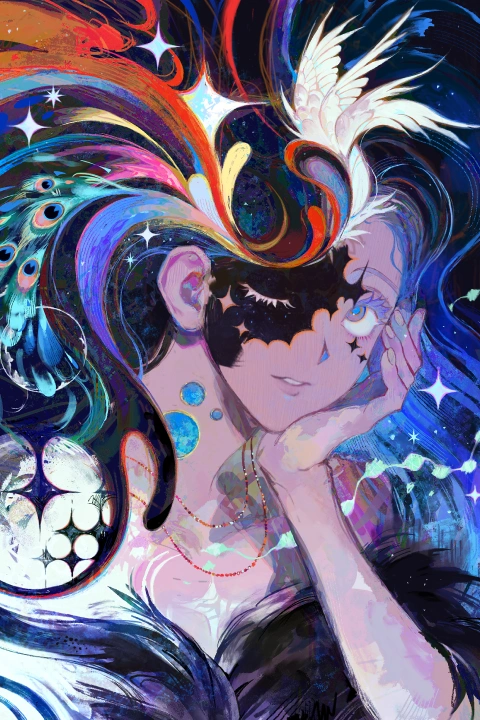
Beyond picking colors, it’s about the how. MMong’s approach centers on practical, actionable techniques that professionals use daily.
- Color Harmony: Learn to balance colors across characters and backgrounds. This involves understanding color ratios and how to create a cohesive palette, even when using contrasting warm and cool tones. MMong provides practical exercises for achieving this balance.
- Mood Setting: Discover how specific color choices and application methods can evoke distinct moods. From the vibrancy of warm colors to the depth of cool palettes, each has a role in storytelling. MMong walks through creating distinct moods using seven main color spectrums.
- Texture Brush Mastery: Elevate your digital work by effectively integrating texture brushes. This includes understanding how different brushes can mimic traditional media, add subtle details to surfaces, and contribute to the overall stylistic direction of an illustration. MMong demonstrates their application for refining details and enhancing visual appeal.
💬 Frequently Asked Questions
Q. How can Illustrator MMong’s class help me if I struggle with color theory?
MMong’s class focuses on practical application rather than just theory. By working through seven distinct color illustrations, you’ll intuitively learn how to balance colors, set moods, and achieve harmonious palettes. The course emphasizes hands-on exercises and analyzing MMong’s workflow, making color theory accessible and actionable.
Q. What are the essential takeaways for improving illustration composition?
Key takeaways include understanding compositional flow through line direction (natural vs. artificial objects), utilizing visual metamorphosis for unique storytelling, and strategically using color to guide the viewer’s eye. MMong’s step-by-step guidance on thumbnail sketching and idea refinement will equip you to create more dynamic and engaging layouts.
Q. Can I apply these color techniques to my own artistic style?
Absolutely. MMong’s core philosophy is about developing individuality. The techniques taught are adaptable, encouraging you to explore your own creative voice. By understanding the principles behind successful color application and composition, you can translate them into your unique style, whether for character design, environmental art, or fantasy illustrations.