🛠️ Key Skills & Details That Define Professional Quality
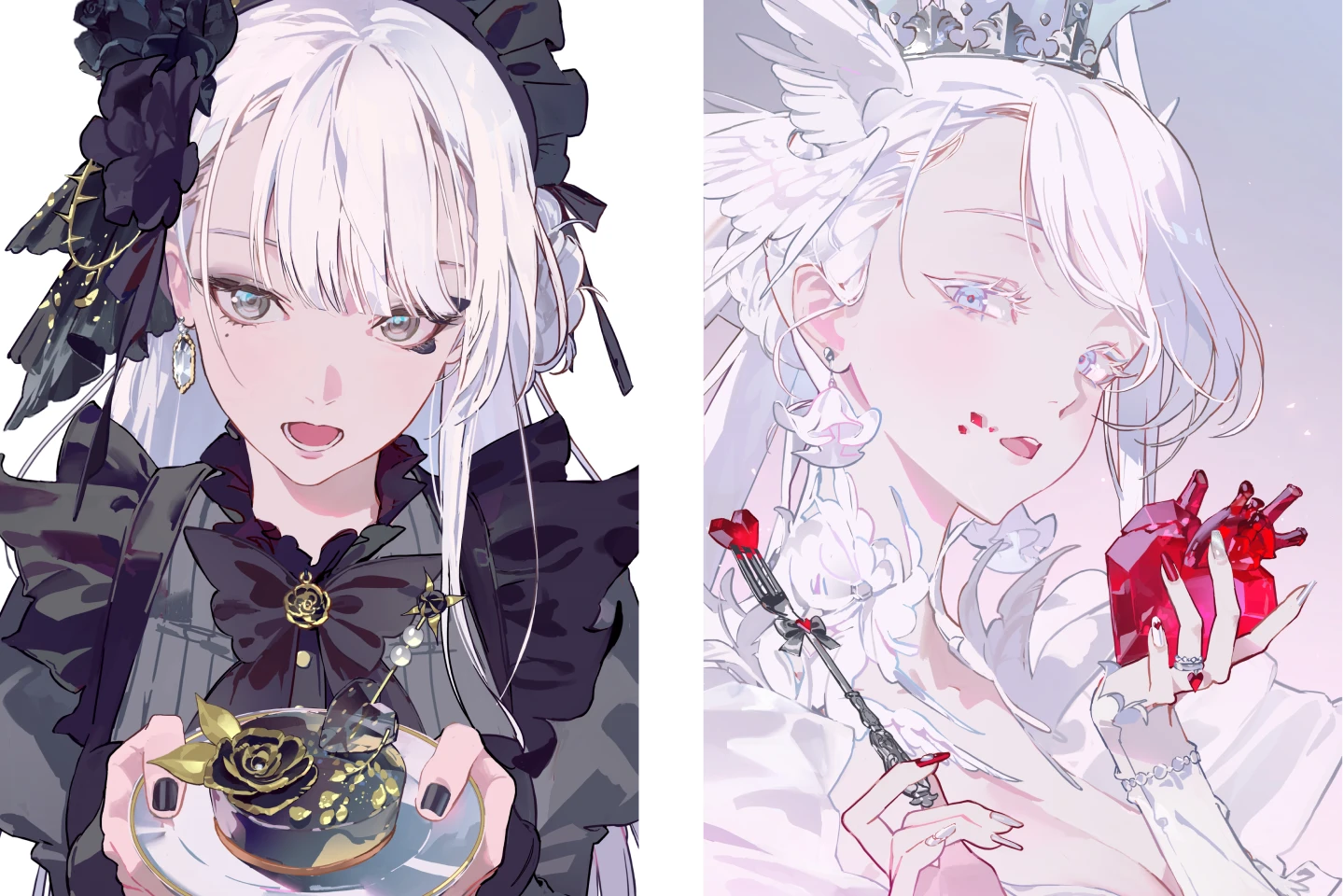
Concept Artist Okku’s approach highlights the importance of deliberate practice in mastering core illustration skills. The process begins with a solid plan, derived from thoughtful ideation.
- Conceptual Planning & Documentation: Start by defining your theme and collecting relevant references. Okku suggests identifying specific elements you need to improve, whether it’s character anatomy, a particular material’s texture, or lighting mood. Instead of generic searches, focus on finding references that address your identified weaknesses.
- Shape & Form Analysis: When referencing objects, look for photos with clear lighting that showcase the object’s form effectively. Prioritize images where the shape is distinct, allowing for easier understanding and recollection. This analytical approach helps build a robust mental library.
- Creative Synthesis over Imitation: The core principle is to absorb and apply, not to copy. Analyze the why behind what makes a reference visually compelling. Is it the composition, the color palette, or the rendering technique? Internalize these lessons to infuse your own original creations with similar impact, ensuring your art feels authentic.
- Workflow Efficiency: Okku emphasizes practicing recall by trying to draw elements from memory after analyzing references. This significantly speeds up the sketching and early rendering phases, freeing up more time for creative exploration and refinement.
💬 Frequently Asked Questions
Q. How can I ensure my character designs are unique when I rely on references?
Concept Artist Okku advises focusing on selective absorption rather than direct copying. Analyze the core elements of your references—like a specific clothing texture or a lighting setup—and understand why they work. Then, integrate these learned principles into your own designs, combining elements from multiple sources and adding your personal flair. This process ensures your final artwork is a synthesis of inspiration, not a mere imitation.
Q. What’s the most efficient way to use references during the sketching phase?
Concept Artist Okku recommends building a personal visual library by actively recalling and drawing elements from memory after analyzing references. This practice, when applied consistently, significantly speeds up the initial sketching process. By internalizing common shapes, lighting, and textures, you reduce the need to constantly refer back, allowing for faster and more intuitive design development.
Q. How do I avoid my artwork looking disjointed when using multiple references?
Concept Artist Okku’s key insight is to establish a clear, overarching plan before collecting references. Identify specific parts of your drawing that need improvement or inspiration. Gather references that address these particular needs, rather than collecting a broad, unfocused set. Then, consciously synthesize elements from these targeted references, ensuring each reference contributes to a cohesive vision rather than creating a visually conflicting outcome.